
Playing Sports With Braces: Why a Mouthguard Matters

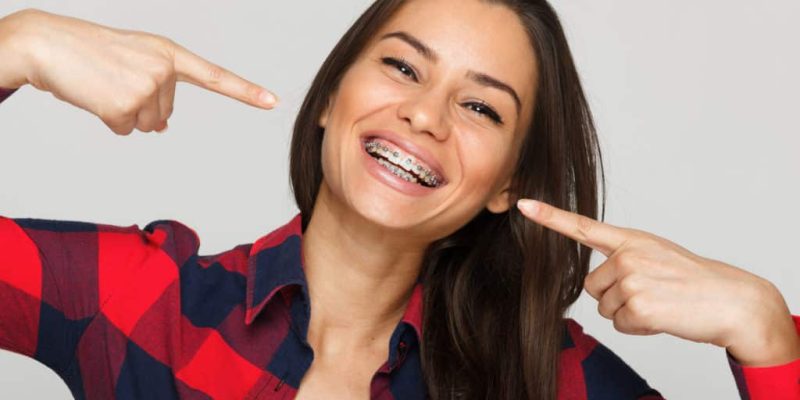
By: Dr. Sezer Olcay For children and teens who play sports, wearing braces does not mean they have to sit on the sidelines. In fact, staying active is an important part of a healthy lifestyle. However, athletes who wear braces need to take a few extra precautions to protect their teeth, gums, and orthodontic appliances while playing. Dr. Sezer Olcay of Holmdel Orthodontics recommends that patients who participate in sports wear a mouthguard designed to be used with braces. A mouthguard can provide an extra layer of protection if an athlete takes a hit to the face or mouth.

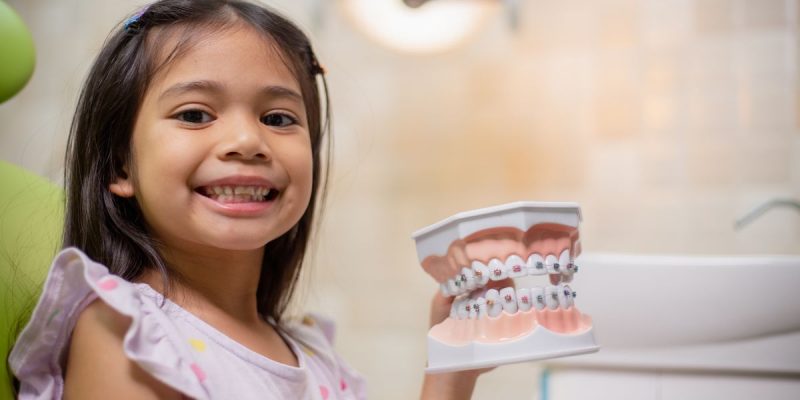
Why Do Athletes With Braces Need a Mouthguard?

Braces are designed to gradually move teeth into better alignment, but the brackets and wires can also create additional areas that may cause irritation if the mouth receives an impact. Sports such as football, lacrosse, hockey, basketball, baseball, softball, and other activities can involve accidental contact with another player, a ball, a stick, or other equipment. Even sports that may not seem highly physical can involve falls or unexpected collisions. A mouthguard helps cushion the impact and provides protection for the teeth and the inside of the mouth. For patients wearing braces, this can be especially important because an impact could damage a bracket or wire or cause irritation to the lips, cheeks, or gums.

Can You Wear a Regular Mouthguard With Braces?

Not all mouthguards are designed for orthodontic patients. As teeth gradually move during orthodontic treatment, a mouthguard needs to allow enough room for that movement. A mouthguard that fits too tightly around the braces may not be appropriate. Dr. Olcay recommends using a mouthguard that is specifically designed for patients wearing braces. These mouthguards are made to provide protection while allowing room for the teeth and braces to continue moving during treatment. Parents should also check the mouthguard regularly. As orthodontic treatment progresses and the teeth move, the fit can change. If the mouthguard becomes uncomfortable, feels too tight, or no longer fits properly, it may be time to have it evaluated.

What About After Braces Come Off?

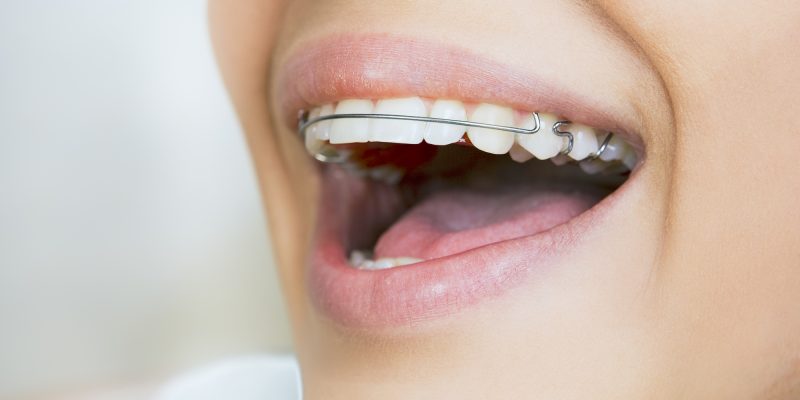
The need for a mouthguard does not necessarily end when braces are removed. Athletes should continue to consider mouth protection when participating in sports where there is a risk of an injury to the mouth or face. After orthodontic treatment, patients may also be wearing a retainer to help maintain their new smile. Dr. Olcay can help patients understand what type of mouth protection is appropriate based on their stage of orthodontic treatment and the activities they participate in.

Protecting Your Smile During Orthodontic Treatment

Wearing a mouthguard is just one part of taking care of your braces. Athletes should also follow their orthodontist’s instructions and continue practicing good oral hygiene throughout treatment. Brushing and flossing regularly is especially important when wearing braces because food can become trapped around brackets and wires. Patients should also attend their scheduled orthodontic appointments so Dr. Olcay can monitor their progress and make any necessary adjustments. If a bracket becomes loose or a wire is damaged during a sporting activity, it is important to contact the orthodontic office so it can be checked and repaired if necessary.

Keep Playing, Just Protect Your Smile

Having braces should not prevent children or teens from enjoying the sports they love. With the right precautions, athletes can continue participating while taking steps to protect their teeth and orthodontic treatment. Dr. Sezer Olcay and the team at Holmdel Orthodontics can help families determine the right type of mouthguard for their child and make sure it fits properly around their braces. If your child is currently wearing braces and participates in sports, talk with Dr. Olcay about the best way to protect their smile throughout orthodontic treatment.

Every Smile Requires a Personalized Treatment Plan

By Dr Sezer Olcay, Holmdel Orthodontics

Orthodontic treatment is not the same for every patient. While many people think braces or Invisalign are simply about creating straighter teeth, orthodontic care involves much more than appearance. A properly planned treatment approach considers the patient’s bite, tooth alignment, jaw development, lifestyle, and long-term oral health goals.

Every smile has unique needs, which is why a personalized orthodontic treatment plan is so important.

At Holmdel Orthodontics, Dr Sezer Olcay works with  each patient to receive an individualized evaluation to determine the best approach for creating a healthier, more balanced smile.

Why Is Personalized Orthodontic Treatment Important?

No two patients have the exact same smile. Even patients who appear to have similar orthodontic concerns may require completely different treatment approaches.

An orthodontist evaluates several factors before recommending treatment, including:

  • The position and alignment of the teeth
  • The way the upper and lower teeth fit together
  • The patient’s bite pattern
  • Jaw growth and facial development
  • The amount of space available for teeth
  • The patient’s goals and expectations

By looking at the entire picture, orthodontic treatment can be designed to address the patient’s specific needs rather than using a one-size-fits-all approach.

Different Patients May Need Different Types of Treatment

Orthodontic treatment options have continued to evolve, giving patients more choices than ever before.

Some patients may benefit from traditional braces, which are highly effective for correcting a wide range of alignment and bite concerns. Others may be candidates for clear aligner treatment, which offers a more discreet option for straightening teeth.

The recommended treatment depends on each patient’s individual situation.

Factors such as the complexity of tooth movement, bite concerns, age, and personal preferences all play a role in determining the best option.

Orthodontic Care for Children and Teenagers

For younger patients, orthodontic treatment often focuses on guiding proper dental development and addressing concerns as the teeth and jaws continue to grow.

Some children may benefit from early orthodontic evaluations to monitor how their smile is developing and determine the best timing for treatment.

Orthodontic treatment during childhood or the teenage years may help address:

  • Crowded teeth
  • Gaps between teeth
  • Overbites
  • Underbites
  • Crossbites
  • Teeth that are not developing properly

Starting treatment at the appropriate time can help create a healthier bite and improve long-term oral function.

Orthodontic Treatment for Adults

Orthodontic treatment is not only for children and teenagers. Many adults choose to improve their smiles through braces or clear aligner treatment.

Some adults may not have had orthodontic treatment when they were younger, while others may notice changes in their teeth over time.

Adults may seek orthodontic treatment to address:

  • Teeth that have shifted
  • Difficulty cleaning crowded teeth
  • Bite concerns
  • Smile confidence
  • Improving overall dental alignment

At Dr. Sezer Olcay’s Holmdel Orthodontics, treatment plans are designed to fit each patient’s lifestyle while helping them achieve their smile goals.

A Healthy Smile Is About More Than Straight Teeth

Straight teeth are an important part of orthodontic treatment, but the benefits go beyond appearance.

Proper tooth alignment can help improve:

  • Bite function
  • Chewing ability
  • Oral hygiene
  • Long-term dental health
  • Smile confidence

When teeth are properly aligned, they may be easier to brush and floss, which can support better oral health over time.

What Happens During an Orthodontic Consultation?

Many patients are unsure what to expect during their first orthodontic visit.

A consultation allows Dr. Olcay to evaluate the patient’s smile and discuss possible treatment options.

The appointment may include:

  • A review of dental history and concerns
  • An examination of the teeth and bite
  • Digital imaging or photographs when needed
  • Discussion of recommended treatment options
  • Answers to questions about braces, Invisalign, timing, and expectations

The goal of the consultation is to help patients understand their orthodontic needs and feel confident about their treatment plan.

Treatment Plans Can Change as Smiles Develop

For some patients, orthodontic treatment begins right away. For others, monitoring growth and development may be the best approach before starting treatment.

Children and teenagers continue to experience changes in their teeth and jaws as they grow, while adults may have different considerations based on previous dental work or oral health needs.

A personalized approach allows treatment decisions to be made at the right time for each individual patient.

Finding the Right Orthodontic Approach for Your Smile

Choosing orthodontic treatment is an important decision, and understanding your options can make the process easier.

Whether a patient needs braces, Invisalign, early orthodontic care, or another treatment approach, the goal remains the same: creating a healthy, functional, and confident smile.

At Holmdel Orthodontics every patient receives customized orthodontic care based on their unique smile and goals. Every smile is different, which means every orthodontic treatment plan should be different as well.

A personalized approach allows orthodontic care to address each patient’s specific needs while creating results that improve both function and confidence.

Whether you are considering orthodontic treatment for your child, teenager, or yourself, an evaluation with Dr. Sezer Olcay at Holmdel Orthodontics in Holmdel, NJ can help determine the best path toward achieving a healthier smile.

For more information and a free consultation contact Dr Sezer Olcay at Holmdel Orthodontics www.holmdelortho.com

Contact Information:
Phone: (732) 847-3065
Email: holmdelortho@hotmail.com
Website: https://holmdelortho.com/

What Is the Best Age to See an Orthodontist? By Dr. Sezar Olcay, Holmdel Orthodontics

Many parents assume that orthodontic treatment begins during the teenage years. While braces and aligners are commonly associated with adolescents, the first orthodontic evaluation often takes place much earlier.

At Holmdel Orthodontics, Dr. Sezar Olcay’s orthodontic practice in Holmdel, New Jersey, one of the most common questions parents ask is, “When should my child first see an orthodontist?” Understanding the right time for an orthodontic visit can help identify developing issues and create the best path toward a healthy, confident smile.

The Recommended Age for an Orthodontic Evaluation

The American Association of Orthodontists recommends that children receive their first orthodontic evaluation by age 7.

At this age, children typically have a combination of baby teeth and permanent teeth, allowing orthodontists to evaluate how the teeth and jaws are developing. While treatment is not always necessary, an early evaluation can help identify potential concerns before they become more complex.

Why Age 7?

By age 7, orthodontists can often detect issues such as:

  • Crowded teeth
  • Bite misalignment
  • Crossbites
  • Overbites and underbites
  • Jaw growth concerns
  • Problems with tooth eruption

Even when a child’s smile appears straight, there may be underlying developmental issues that are easier to address when identified early.

Does an Evaluation Mean My Child Needs Braces?

Not necessarily.

Many children who visit an orthodontist at age 7 do not begin treatment right away. In many cases, the orthodontist simply monitors growth and development through periodic visits.

This proactive approach allows potential problems to be addressed at the most appropriate time, helping achieve the best possible outcome.

Benefits of Early Detection

Early orthodontic evaluations can provide several advantages, including:

  • Monitoring jaw growth and development
  • Identifying problems before they worsen
  • Creating space for incoming permanent teeth
  • Reducing the risk of impacted teeth
  • Improving overall oral health
  • Potentially simplifying future treatment

When issues are detected early, treatment options may be more effective and less invasive.

What Happens During the First Visit?

A child’s first orthodontic consultation is typically straightforward and informative. During the appointment, the orthodontist will examine the teeth, bite, and jaw alignment while discussing any concerns parents may have.

Digital imaging or diagnostic records may be taken to provide a complete picture of the child’s oral development.

Following the evaluation, parents will receive recommendations regarding treatment or future monitoring.

Orthodontic Care for Teens and Adults

While early evaluations are important, orthodontic treatment can be successful at almost any age. Many teenagers and adults choose orthodontic treatment to improve both the appearance and function of their smiles.

Whether treatment involves traditional braces or clear aligners, modern orthodontics offers more options than ever before.

Supporting Lifelong Oral Health

Orthodontic treatment is about more than creating a beautiful smile. Proper tooth and jaw alignment can contribute to better oral hygiene, improved bite function, and long-term dental health.

If your child has not yet had an orthodontic evaluation, scheduling a consultation can provide valuable insight into their developing smile. Dr. Sezar Olcay proudly serves patients throughout Holmdel, NJ, and the surrounding communities in Monmouth County, helping children, teens, and adults achieve healthy, confident smiles through personalized orthodontic care.

Call (732) 847-3065 to schedule your consultation today holmdelortho.com

Invisalign for Anxious Patients: A More Comfortable Way to Straighten Your Smile

By Dr. Sezer Olcay

If you experience dental anxiety, the idea of orthodontic treatment can feel overwhelming. Traditional braces, with their brackets, wires, and frequent adjustments, may add to that stress—especially for patients who are sensitive to discomfort or have had negative dental experiences in the past. At Holmdel Orthodontics, Dr. Sezer Olcay often recommends Invisalign as a more comfortable, low-stress alternative.

Dr. Olcay understands that every patient is different, and for those who feel anxious about dental treatment, creating a calm and supportive experience is always a priority. Invisalign offers a modern approach that aligns well with that goal.

Why Invisalign Is a Better Fit for Anxious Patients

Invisalign uses a series of smooth, clear aligners to gradually shift your teeth into place—without the need for metal brackets or wires. For many patients, this makes the process feel far less intimidating. The aligners are custom-made to fit comfortably and are nearly invisible, which can also ease self-consciousness during treatment.

Because there are no sharp edges or tightening appointments, patients often find Invisalign to be a gentler experience overall.

Fewer Office Visits, Less Stress

One of the biggest advantages of Invisalign is the reduced number of in-office visits. While traditional braces often require frequent adjustments, Invisalign typically involves quick check-ins every 6 to 8 weeks. These visits are simple and efficient, helping minimize time in the chair.

For patients who feel anxious about appointments, this added flexibility can make a meaningful difference. Being able to progress through treatment with fewer interruptions allows for a more relaxed and manageable experience.


A Treatment You Can Control

Invisalign aligners are removable, giving you a level of control that traditional braces don’t offer. You can take them out when eating, brushing, or for short breaks if needed. This flexibility can be especially reassuring for patients who feel overwhelmed by the idea of something fixed in their mouth.

Maintaining your regular oral hygiene routine is also much easier without wires or brackets to work around, which can reduce stress for patients who already find dental care challenging.

No Wires, No Adjustments, No Surprises

Unlike traditional braces, Invisalign doesn’t involve wire tightening or emergency visits for broken brackets. There’s no drilling, and in most cases, no need for more invasive procedures. Aligners are changed at home on a set schedule, allowing for a quieter, more predictable treatment process.

For patients with dental anxiety, this simplicity can make orthodontic care feel much more approachable.

A Calmer Path to a Confident Smile

Straightening your teeth doesn’t have to be stressful. Invisalign offers a gentle, modern solution for patients who want to improve their smile without the discomfort or anxiety often associated with traditional braces. At Holmdel Orthodontics, Dr. Sezer Olcay is committed to making every step of your treatment as comfortable and supportive as possible.

If you’ve been putting off orthodontic care due to anxiety, Invisalign may be the solution that finally feels right for you. Contact our office to schedule a consultation and learn more about your options.

Call (732) 847-3065 to schedule your consultation today holmdelortho.com

When Should Kids Get Braces? A Simple Guide for Monmouth County NJ Parents

One of the most common questions parents ask is, “When is the right time for my child to get braces?” The truth is, there isn’t one perfect age for every kid. Every child develops differently. But there is a general timeline that helps guide when to start thinking about orthodontic care. At Holmdel Orthodontics, Dr. Sezer Olcay helps families figure out the right timing based on each child’s growth, not just their age. The First Orthodontic Check: Around Age 7 Most parents are surprised to hear this, but kids should have their first orthodontic evaluation around age 7. That doesn’t mean your child will need braces right away. In most cases, they won’t. At this stage, Dr. Olcay is simple
  • Checking how the teeth and jaw are developing
  • Looking for early signs of crowding or bite issues
  • Deciding if anything needs to be monitored
Think of it more like getting ahead of potential problems instead of reacting later. When Kids Usually Get Braces While the first visit happens early, most kids actually get braces between ages 10 and 14. This is usually the best time because the following are true:
  • Most permanent teeth have come in
  • The jaw is still growing and easier to guide
  • Treatment tends to be more efficient
At this age, orthodontic treatment is often more straightforward and predictable. Early Treatment (And Why Some Kids Start Sooner) In some cases, waiting isn’t the best option. Certain issues are easier to fix earlier, especially when the jaw is still developing. This is sometimes called Phase 1 treatment, and it usually happens between ages 7–10. Dr. Sezer Olcay may recommend early treatment to:
  • Create space for incoming adult teeth
  • Correct bite problems early
  • Guide jaw growth
  • Reduce the chance of future complications
Not every child needs this, but when they do, it can make a big difference long-term. Signs Your Child Might Need Braces Even if your child hasn’t seen an orthodontist yet, there are some signs you can watch for: Bite Issues
  • Top teeth stick out too far
  • Bottom teeth sit in front of top teeth
  • Teeth don’t meet correctly when biting
Crowding or Spacing
  • Teeth overlapping or twisting
  • Large gaps between teeth
  • Teeth coming in out of place
Other Things to Notice
  • Thumb sucking past early childhood
  • Mouth breathing
  • Trouble chewing
  • Jaw clicking or shifting
If you notice any of these, it’s worth getting an evaluation sooner rather than later. Why Timing Actually Matters A lot of parents think: “Can’t we just wait until they’re older?” You can—but timing affects how easy treatment is. When kids are still growing:
  • Teeth move more easily
  • Jaw issues can be corrected without surgery
  • Treatment can be shorter and less complicated
Waiting too long can sometimes mean:
  • Longer time in braces
  • More complex treatment
  • In some cases, extractions or surgery
That’s why getting checked early (even if no treatment is needed yet) is important. What Happens at the First Visit? At Holmdel Orthodontics, the first visit is simple and low-pressure. Dr. Sezer Olcay will:
  • Look at your child’s teeth and bite
  • Take digital scans or X-rays if needed
  • Explain what’s going on in a way that’s easy to understand
  • Let you know if treatment is needed now, later, or not at all
Most of the time, it’s just about creating a plan and keeping an eye on things. How Kids Usually Feel About Braces A lot of parents worry their kids will hate the idea of braces—but honestly, that’s not always the case anymore. Today:
  • Kids can choose colors for their braces
  • There are more comfortable and less noticeable options
  • Many kids actually get excited once they understand the process
And once they start seeing results, confidence usually goes up fast. Choosing the Right Orthodontist Timing matters—but so does where you go. At Holmdel Orthodontics, Dr. Sezer Olcay focuses on:
  • Making kids feel comfortable from the start
  • Explaining everything clearly (for both parents and kids)
  • Creating personalized treatment plans—not one-size-fits-all
That kind of experience can make a huge difference in how your child feels about the whole process. For more information and a free consultation contact Dr Sezer Olcay at Holmdel Orthodontics www.holmdelortho.com Contact Information: Phone: (732) 847-3065 Email: holmdelortho@hotmail.com Website: https://holmdelortho.com/

Why It’s Not Too Late to Get Braces For Monmouth County NJ Adults

By: Dr Sezer Olcay Holmdel Orthodontics

Many adults feel like they missed their opportunity to get braces. Maybe orthodontic treatment wasn’t financially possible when you were younger. Maybe you had braces as a teenager but didn’t consistently wear your retainer, and your teeth gradually shifted over time. Or perhaps you’ve always been slightly self-conscious about your smile but assumed orthodontic care was only meant for teenagers. The reality is that orthodontic treatment is not limited by age. It’s never too late to improve your smile.

At Holmdel Orthodontics, Dr. Sezer Olcay treats patients of all ages throughout Monmouth County, including adults in their 20s, 30s, 40s, and beyond. Adult orthodontics has become increasingly common as more people recognize the long-term health and confidence benefits of properly aligned teeth. If your gums and supporting bone are healthy, your teeth can still move safely and effectively with a personalized treatment plan.

One of the biggest concerns adults have is how braces will look and fit into their daily lives. Fortunately, orthodontic technology has advanced significantly. Today’s treatment options are more discreet, comfortable, and efficient than ever before. Many adults are surprised at how subtle and manageable the process feels.

Depending on your specific needs, treatment may include:

  • Clear aligners that are nearly invisible
  • Ceramic (tooth-colored) braces that blend naturally with your smile
  • Low-profile brackets designed for comfort
  • Customized treatment timelines built around busy work and family schedules

While a straighter smile certainly enhances appearance, orthodontic treatment is about much more than cosmetics. Proper alignment can improve overall dental health and help prevent future complications. When teeth are crowded or misaligned, they can be harder to clean and more prone to wear and strain.

Orthodontic treatment can help:

  • Improve bite alignment and overall function
  • Make brushing and flossing more effective
  • Reduce uneven tooth wear
  • Lower the risk of gum disease
  • Decrease jaw tension and discomfort

Investing in orthodontic care now can support both your smile and your long-term oral health. Many adult patients say the same thing after beginning treatment: they wish they had done it sooner. But what truly matters is taking that first step when the time feels right.

If you’ve been wondering whether it’s too late to get braces, the answer is reassuring — it isn’t. A consultation with Dr. Sezer Olcay at Holmdel Orthodontics can help you understand your options and create a treatment plan tailored to your goals. Your smile can improve at any stage of life, and there’s no better time to start than now.

Call (732) 847-3065 to schedule your consultation today holmdelortho.com

Starting Orthodontic Treatment In Monmouth County NJ The Adjustment Period

by Dr. Olcay, Holmdel Orthodontics, NJ Beginning orthodontic treatment can be an exciting step toward achieving a healthier, more confident smile. At the same time, it’s normal to feel a mix of anticipation and uncertainty. At Holmdel Orthodontics in NJ, Dr. Olcay often explains that understanding the early adjustment period can make the process smoother, both physically and emotionally. Why the Early Weeks Feel Different After braces or Invisalign are first applied, teeth and surrounding tissues begin to respond to gentle pressure. This is how movement happens, but it can also cause sensations that feel unusual or even uncomfortable. Common experiences include:
  • Mild soreness or pressure in the teeth
  • Sensitivity when biting or chewing
  • Temporary irritation of lips, cheeks, or tongue
These sensations are normal. They signal that the teeth are adapting and that the orthodontic system is doing its job. The Role of Oral Tissues in Adjustment The ligaments, gums, and bone surrounding your teeth are highly responsive. When teeth shift, these tissues remodel to accommodate the new positions. Early in treatment, this adaptation process can cause tenderness or stiffness — similar to the way muscles feel after starting a new workout routine. Knowing that your body is naturally adjusting can help approach these early weeks with patience rather than concern. Strategies for a Smoother Transition Dr. Olcay recommends several strategies to make the early adjustment period more comfortable:
  • Soft foods: Stick to items that are easy to chew, like yogurt, soups, and smoothies, for the first few days
  • Pain relief when needed: Over-the-counter options, used as directed, can help manage soreness
  • Oral hygiene care: Gentle brushing and flossing help prevent irritation and ensure healthy gums
  • Orthodontic wax: Applying wax to brackets or wires can reduce friction on soft tissues
  • Consistent follow-ups: Regular appointments at Holmdel Orthodontics in NJ allow your orthodontist to monitor progress and make small adjustments
These steps don’t just manage discomfort — they help you adapt more quickly and set the foundation for a successful treatment journey. When to Reach Out While some tenderness is normal, patients should contact Dr. Olcay at Holmdel Orthodontics if they experience sharp pain, persistent irritation, or broken appliances. Prompt attention prevents minor issues from becoming larger setbacks and keeps treatment on track. Embracing the Adjustment Period The first few weeks of orthodontic treatment are a period of adaptation. Understanding what’s happening in your mouth and having strategies to manage discomfort can turn this early stage from a source of stress into an empowering step toward your new smile. Dr. Olcay emphasizes that patience and consistent care during this period are just as important as the final results. Every small adjustment your mouth makes is a step toward a healthier, beautifully aligned smile that lasts a lifetime. For more information and a free consultation contact Dr Sezer Olcay at Holmdel Orthodontics www.holmdelortho.com Contact Information: Phone: (732) 847-3065 Email: holmdelortho@hotmail.com Website: https://holmdelortho.com/  

Retainers Monmouth County NJ

By Dr Sezer Olcay, Holmdel Orthodontics

Understanding Retainers: Why They Matter Long After Your Braces Come Off 

Retainers play a much bigger role in your smile than many people realize. After finishing braces or clear aligners, patients are often surprised when they learn that the next phase—retention—is just as important as the active treatment itself. Retainers help ensure that the time and effort spent straightening your teeth continues to pay off for years to come. 

Orthodontic treatment changes more than just the position of your teeth. The ligaments, bone, and surrounding tissues all go through a period of adaptation. Even after teeth are aligned, they can shift naturally due to everyday forces like chewing, speaking, and aging. Without the guidance of a retainer, this movement can gradually undo your results. That’s why consistency with wearing a retainer is essential for preserving the alignment we achieved together. 

Types of Retainers and How They Work 

Retainers aren’t one-size-fits-all. Different designs work better for different needs, and in Holmdel Orthodontics, Dr Olcay selects the style that best supports each patient’s long-term stability. 

Clear removable retainers are a popular choice because they’re discreet and easy to wear. Molded to fit closely around the teeth, they provide full coverage and help maintain precise alignment. Traditional retainers, made of a thin wire and an acrylic base, are durable and can be adjusted over time if minor corrections are needed. They can feel slightly bulkier but remain a reliable long-term option. 

Fixed (or bonded) retainers involve a thin wire attached to the back of the front teeth. Because they always stay in place, they’re particularly helpful for patients who may forget to wear a removable retainer regularly. They do require careful brushing and flossing, in addition to a diet that doesn’t include hard foods that can break the wires or glue.

Sometimes, a combination of retainers works best—such as a fixed retainer for daily stability and a clear removable retainer worn at night. This layered approach can offer the strongest long-term protection. 

Maintaining Your Smile with Good Retainer Habits 

Wearing your retainer exactly as directed is the key to keeping your smile looking its best. Even small lapses—like skipping a few nights—can lead to subtle movement that becomes noticeable over time. 

Cleanliness is also important. Removable retainers should be rinsed and gently brushed to prevent buildup. Fixed retainers need extra attention when flossing to keep the area around the wire clear and healthy. If your retainer cracks, becomes loose, or doesn’t fit the way it used to, that’s a sign to schedule a visit for evaluation. 

Retention isn’t a short phase it’s a long-term part of maintaining your treatment results. Just as skincare, fitness, and overall wellness require ongoing care, your smile benefits from consistent, simple habits that protect your investment. 

Retainer Results 

Retainers are an essential part of life after orthodontic treatment. By supporting the new position of your teeth and preventing natural shifting, they ensure your hard-earned smile stays healthy and beautifully aligned. With the right retainer and a few consistent habits, you can enjoy the results of your treatment for years to come. 

Contact Dr Sezer Olcay of Holmdel Orthodontics. www.holmdelortho.com  723 North Beers Street Suite 2A Holmdel NJ 07733 – (732) 847-3065

Why Age 7 Is the Right Time for an Orthodontic Evaluation

By Dr Sezer Olcay, Holmdel Orthodontics

Many parents wonder when their child should first see an orthodontist. While braces might seem far off for a 7-year-old, the American Association of Orthodontists (AAO) recommends that every child have an initial orthodontic evaluation by age 7—even if there are no obvious issues with their teeth.

Why so early? Because early detection means easier correction. Dr Sezer Olcay of Holmdel Orthodontics explains why age 7 is the optimal time to begin an orthodontic evaluation.  Her goal is to provide each child with the most advanced and the highest standard of orthodontic treatment. Let’s look at why this age is the ideal time for a first visit and how it benefits your child’s long-term oral health.

Why Age 7 Is the Magic Number

A Mix of Baby and Adult Teeth Reveals the Full Picture. By age 7, most children have a combination of primary (baby) teeth and permanent teeth. This unique stage lets an orthodontist see how the adult teeth are erupting and how the jaws are growing. Early warning signs—like crowding, spacing, or bite imbalances—can be spotted long before all the permanent teeth come in.

This combination allows Dr. Olcay to evaluate:

  • How adult teeth are growing in.
  • How the jaws are developing.
  • Whether the bite is lining up properly.

Early evaluation helps identify potential problems before they become more serious, making treatment simpler and often less costly.

What Orthodontists Look for at Age 7

During an initial exam, the Dr Olcay will assess:

  • Crowding or spacing issues as permanent teeth erupt.
  • Crossbites or underbites that could affect jaw growth.
  • Protruding teeth that may be at risk of injury.
  • Habits such as thumb sucking or mouth breathing that can influence bite development.
  • Growth patterns of the jaws, which may need guidance to avoid future complications.

Benefits of Early Orthodontic Evaluation

✅ Interceptive Treatment Options: Early care (sometimes called Phase 1 treatment) can guide jaw growth, create space for incoming teeth, and reduce the need for tooth extractions later.

✅ Better Outcomes: Addressing bite or alignment issues early often leads to shorter and more effective treatment in the teenage years.

✅ Protects Confidence: Fixing issues like protruding teeth early helps prevent injuries and can improve your child’s self-esteem.

✅ Peace of Mind: Even if no treatment is needed yet, parents get reassurance and a professional plan for future monitoring.

Not Every Child Needs Braces Right Away

It’s important to remember:
➡ An evaluation doesn’t mean your child will immediately need braces.
Many children will simply be monitored as their teeth and jaws continue to develop. Dr Olcay will recommend the right timing when treatment is needed.

Your Next Step

If your child is around age 7 and hasn’t had an orthodontic checkup yet, now is the perfect time to schedule an evaluation. Early orthodontic visits are a proactive way to protect your child’s smile and ensure healthy development for years to come.

Dr Olcay at Holmdel Orthodontics offers a commitment to quality utilizing the latest techniques and most advanced materials. “I establish a relationship with each patient that is built upon mutual respect and trust.”

A healthy, confident smile starts with early care—schedule your child’s first orthodontic evaluation today! Contact Dr Sezer Olcay of Holmdel Orthodontics. www.holmdelortho.com  723 North Beers Street Suite 2A Holmdel NJ 07733 – (732) 847-3065

If I Start Wearing My Retainer Again, Will My Teeth Move Back?

By Dr Sezer Olcay, Holmdel Orthodontics

After months or even years of braces or Invisalign, finally getting your teeth straight is a big accomplishment. But as many orthodontic patients in Holmdel and throughout Monmouth County discover, keeping your smile straight takes long-term commitment — especially when it comes to wearing your retainer.

So what happens if you’ve stopped wearing your retainer? Maybe it’s been a few weeks, or maybe you found your old retainer in a drawer after months (or years) of collecting dust. The big question becomes:

If I start wearing my retainer again, will my teeth move back?

The answer isn’t always simple — it depends on how long it’s been, how much your teeth have shifted, and whether your retainer still fits. Let’s break it down.

Can My Teeth Really Shift That Quickly?

Yes, they can. Teeth are always on the move, especially right after braces or aligners come off. In the first few months after orthodontic treatment, your teeth are particularly vulnerable to shifting. That’s why orthodontists strongly recommend wearing your retainer full-time at first, then switching to nighttime wear long-term.


Even if it’s been just a few days without wearing your retainer, you might notice a tighter fit or slight discomfort when you put it back in. In many cases, wearing it again consistently can help “nudge” your teeth back into position — but only if the movement has been minimal.

If it’s been a few weeks or longer, and you’ve noticed visible shifting, your old retainer may not be able to correct the changes. That’s because retainers are designed to hold teeth in place, not actively move them.

What If My Retainer Doesn’t Fit Anymore?

This is a common concern among patients who try to resume wearing a retainer after some time away. If your retainer feels too tight, is painful, or won’t fit over your teeth at all, it’s a sign that your teeth have shifted too much. Trying to force a poorly fitting retainer can actually do more harm than good — it may damage your teeth, irritate your gums, or crack the retainer itself.

If you’re in this situation, the best thing to do is schedule a visit with Dr Olcay of Holmdel Orthodontics. In many cases,  she can assess your current alignment and determine whether you need a new retainer or a short course of retreatment, such as clear aligners, to correct any movement before making a new retainer.

Do I Really Need a New Retainer If My Teeth Shifted?

It depends on how much your teeth have moved. If the change is minor and your old retainer still fits comfortably, consistent wear may help hold your teeth in place and prevent further shifting. But if your retainer no longer fits, a new one will be necessary.

In some cases, especially if several teeth have moved noticeably, Dr Olcay may recommend light retreatment to bring your smile back to where it was. The good news? Minor relapse often requires less time and effort to fix than your original orthodontic treatment.

How Long Can I Go Without Wearing My Retainer Before It’s a Problem?

Every person is different, but generally, even a short break from wearing your retainer can lead to movement — especially within the first year of finishing braces or Invisalign. Skipping your retainer for just a week may cause enough shifting to make it feel tight when you put it back in.

Going without your retainer for a month or longer can often lead to more visible changes in alignment, and at that point, your old retainer likely won’t fit properly. The longer you wait, the more difficult it becomes to get your teeth back to their post-treatment position.

That’s why Holmdel Orthodontics in Monmouth County recommends nighttime wear indefinitely. It’s a simple habit that can protect your smile for years to come.

Bottom Line: Don’t Wait Too Long

If you’ve stopped wearing your retainer, the most important thing you can do is act quickly. Try your old retainer — if it still fits comfortably, start wearing it again nightly. If it feels too tight or won’t fit, schedule a consultation with a local orthodontist. They can help determine whether a new retainer will do the trick or if minor treatment is needed to get your smile back on track.

Dr Sezer Olcay of Holmdel Orthodontics offers digital scans and quick-turnaround retainers without the need for messy impressions. Whether you’re a teenager finishing treatment or an adult revisiting your smile years later, don’t let your hard-earned results slip away.

Call today  (732) 847-3065  

 723 North Beers Street, Suite 2A,
Holmdel NJ 07733 

https://holmdelortho.com/contact-us/